Why we made this
We started with a question.
What if a dog only had what it needed?
We spent two years studying how people actually live with dogs. What we found changed how we think about the entire category. The average dog owner uses fewer than 40% of their dog’s available capabilities on a regular basis. Tail wagging: observed primarily at mealtimes. Barking: triggered by postmen, the weather, and nothing. Fetch: initiated by the human in 94% of recorded instances. Rolling over: reluctantly, and in one direction only.
The remaining 60% of the dog’s feature set — the scent tracking, the prey drive, the seasonal coat shedding, the four-leg mobility platform optimised for open terrain — exists because dogs were designed for a world that most of them no longer live in. That world had predators, prey, and unfenced ground. Your living room has a sofa and a radiator.
The new dog is built for the environment it will actually live in. Every component serves a purpose. Every component that didn’t serve a purpose was removed. The result is a dog that costs less to buy, less to feed, and less to maintain. Not because we compromised. Because we designed it correctly from the start.
Engineering
Inside the new dog.
We evaluated every system. We kept what matters. We removed what didn’t.
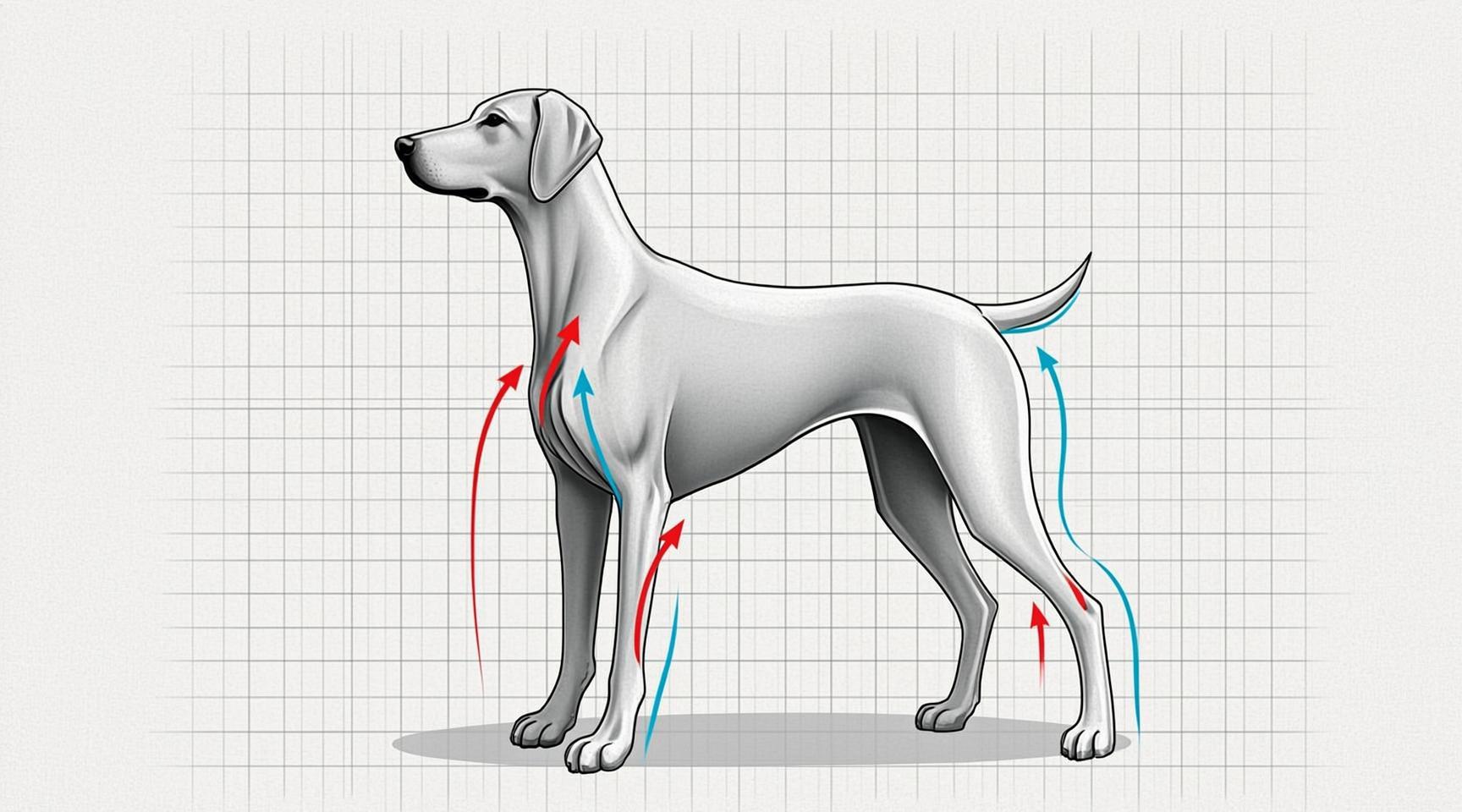
The previous generation shipped with four legs — a configuration optimised for outdoor terrain, hunting, and predator evasion. Our research found that the average indoor dog uses its rear legs primarily for standing up from a lying position, a task that two legs accomplish with a lower centre of gravity and a 35% reduction in physical footprint.
Dog SE’s bipedal architecture eliminates the rear limb assembly entirely. This removes over 200 skeletal components, including the hip joints — the single most common source of mobility-related warranty claims across all dog breeds. Dog SE cannot develop hip dysplasia because dog SE does not have the hips in which hip dysplasia would develop. An elegant solution to an expensive problem, if we say so ourselves.
02
Audio.
A proactive approach to silence.
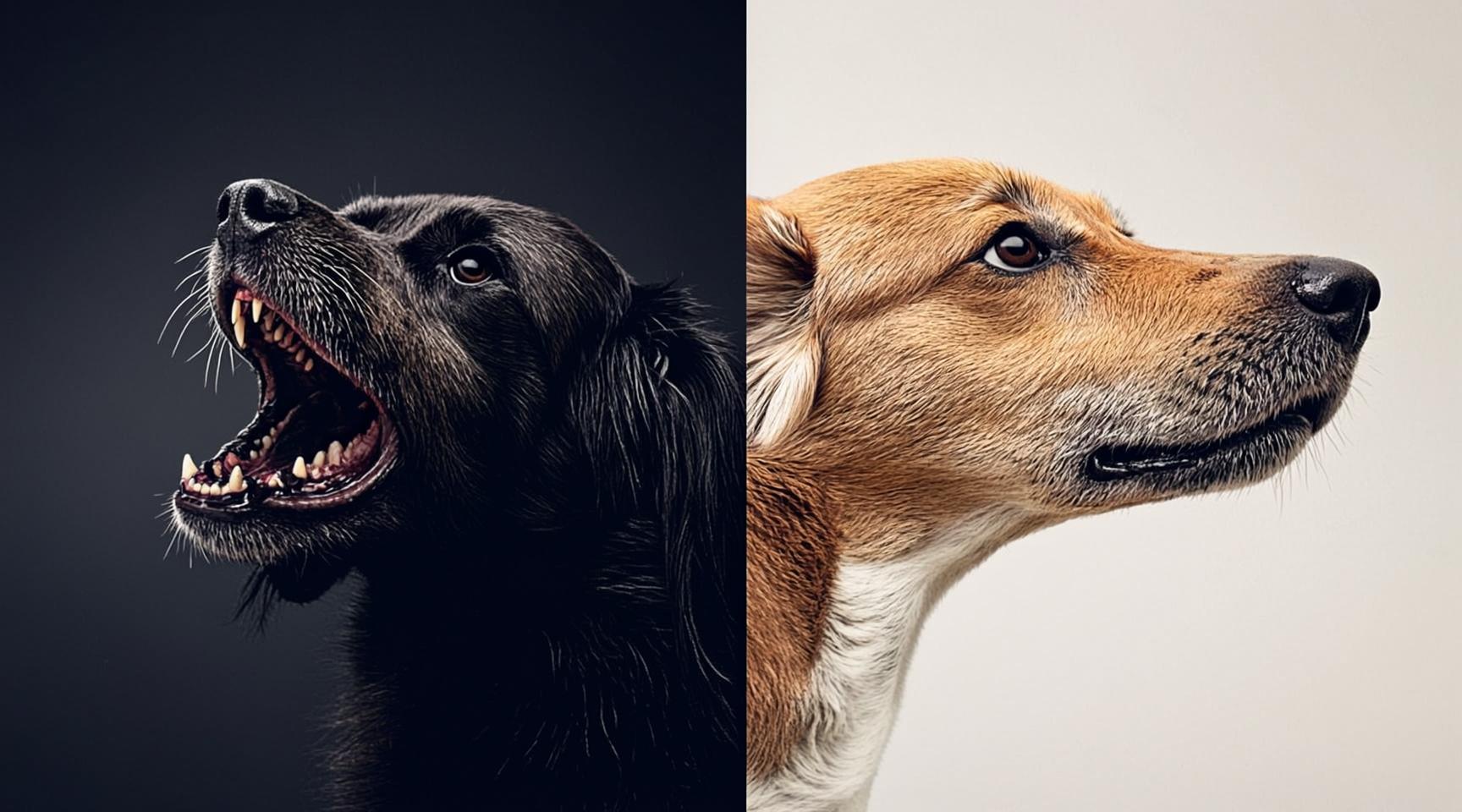
The previous generation employed a reactive barking system — a triggered response activated by postmen, other dogs, the sound of a crisp packet from three rooms away, the wind, a bin bag, a shadow, and frequently, nothing at all. This system was designed to alert the pack to danger. The pack is not in danger. The pack is watching television.
The new dog features a selective vocalisation architecture. On the SE, the vocal system is depopulated entirely. The SE achieves a 100% reduction in noise output compared to a conventional dog, which is the largest single improvement in any metric across the entire product line. We consider silence a feature.

A conventional dog ships with 42 teeth. Canine teeth for gripping prey. Premolars for shearing flesh. Molars for crushing bone. These teeth exist because the dog’s ancestors needed to kill and consume animals without access to a bowl, a tin opener, or a delivery service. The modern domestic dog eats kibble from a bowl on the kitchen floor, and the only thing it crushes is a tennis ball it has been chewing for six months and that now resembles a small, damp rag.
Dog SE ships with 28 teeth: the essentials for kibble, the occasional dental treat, and nothing else. This removes 14 potential points of dental failure and reduces dog SE’s lifetime expected dental costs by approximately 70%.
04
Metabolism.
The most efficient dog we’ve ever made.

A conventional dog burns approximately 60% of its daily caloric intake on movement and physical activity. By redesigning the locomotion platform for stationary use, we eliminated the single largest energy consumer in the dog’s daily budget. Dog SE operates on a single meal per day — a 50% reduction in food costs and a corresponding reduction in waste output.
Over dog SE’s expected lifespan, this represents a total saving of over £4,500 in food costs. At £199, dog SE nearly pays for itself in the first year.

A conventional dog allocates approximately 40% of its cognitive capacity to olfactory processing — scent detection designed for tracking prey across open terrain. The modern domestic environment does not contain prey. It contains a kitchen, a living room, and a hallway that leads to a bathroom. Dog SE features a right-sized olfactory system capable of detecting food at a distance of approximately three metres, which our research indicates is sufficient for 94% of domestic dog-food interactions.
The freed neural capacity is reallocated to dog SE’s primary function: being present. Dog SE does not need to know that a squirrel passed through the garden four hours ago. Dog SE needs to know that you are in the room.
At a glance
Dog SE, by the numbers.
Models
Choose your dog.
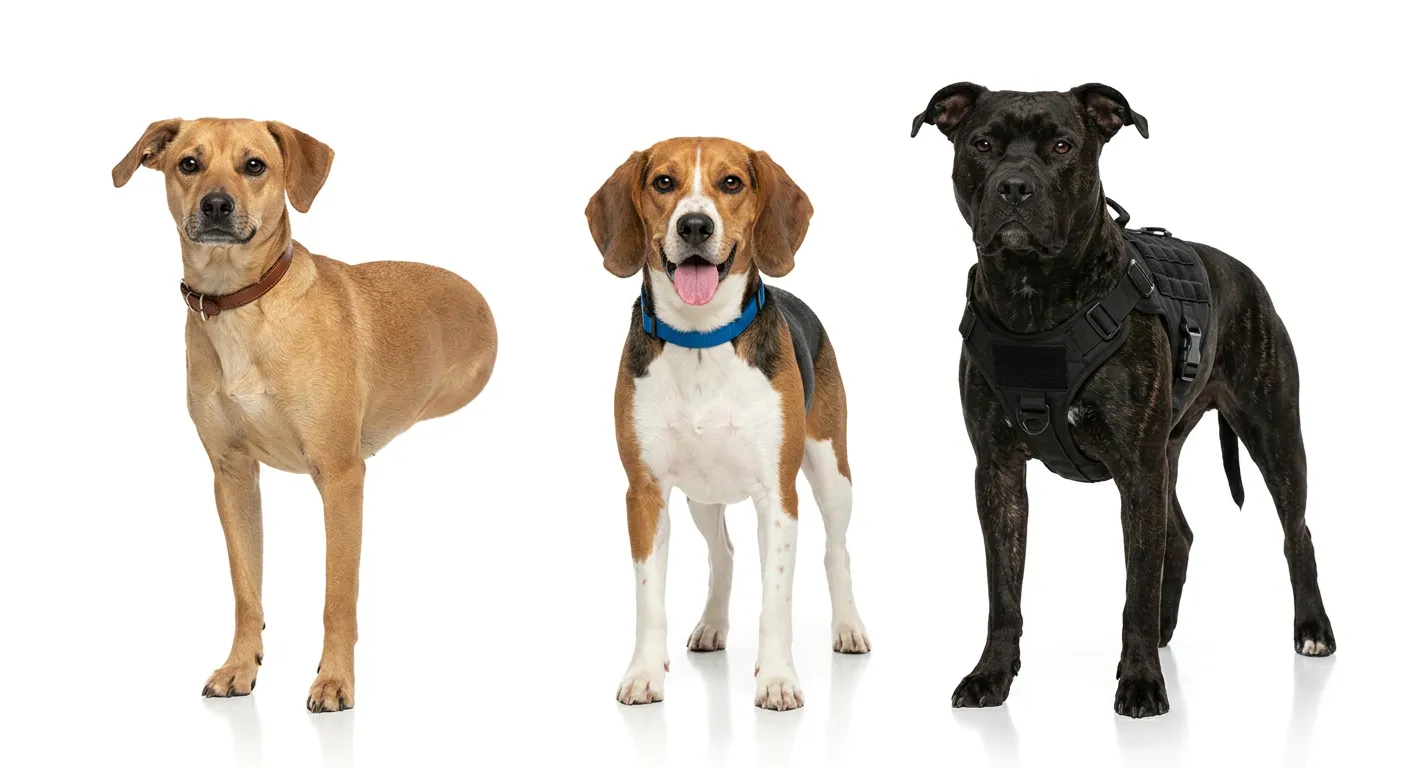
Three models. Three price points. One species.
dog SE
From £199
Everything you need.
- Architecture Bipedal
- Mobility Stationary
- Audio Silent
- Dental 28 teeth (essentials only)
- Metabolism 1 meal/day
- Annual food cost ~£190
dog
From £349
The dog you already know.
- Architecture Quadrupedal
- Mobility 3-room range
- Audio Selective (optional)
- Dental 42 teeth (standard)
- Metabolism 1.5 meals/day
- Annual food cost ~£340
dog Pro
From £599
The complete feature set.
- Architecture Quadrupedal (reinforced)
- Mobility Full indoor/outdoor
- Audio Full vocalisation
- Dental 42 teeth (reinforced)
- Metabolism 2 meals/day
- Annual food cost ~£480
Reviews
What people are saying.
“I wasn’t sure about buying a dog online. The website felt very polished. Too polished. Then it arrived and it was just a dog. A small, two-legged dog that sat in the corner of my kitchen and looked at me. I have had it for four months. It has not moved from the kitchen. I have grown accustomed to its presence. I think it has grown accustomed to mine. We do not communicate. We coexist. This is exactly what the website promised.”M.H., Swindon — dog SE, 4 months
“I bought the standard dog for my children. The dog barked at the postman on the first day and then did not bark at the postman for the next eleven days. On the twelfth day it barked at a bin bag. My children asked me why the dog barked at the bin bag and not the postman. I did not have an answer. I called Companion Systems. They did not have an answer either. They said the dog operates autonomously and that its barking decisions are not configurable. I have accepted this. My children have not. They are conducting their own research. They are nine and seven. Their methodology is questionable but their dedication is not.”R.T., Dewsbury — dog, 3 months
“I purchased dog Pro. It has chewed two pairs of shoes, dug up a rose bush, barked at the television during a nature documentary, and followed me into the bathroom on four separate occasions. It is the most complete dog I have ever owned. I say this as someone who is tired. The loyalty is real. The loyalty is thorough. I would like to return the shoes.”K.L., Bridgend — dog Pro, 6 weeks
Availability
Get your dog.
Available from Q3 2027. Free delivery within mainland UK. Additional charge for Scottish Highlands, Northern Ireland, and anywhere requiring a ferry.
dog SE
From £199
The future of companionship.
dog
From £349
The classic experience.
dog Pro
From £599
The complete feature set.
The new dog is a living animal. Companion Systems Ltd is registered in England and Wales. Part of joel2.com.